Recessed Lighting Orange County: Sleek, Modern Illumination
Walk into a well created home in Orange County and you'll often discover what you don't see. Spaces feel bright and balanced, yet there are no large components taking on views or ceiling lines. That subtle, even wash is the quiet work of excellent recessed lighting. Done right, it works with the architecture, lifts ceilings, and makes surfaces and artwork come to life. Done poorly, it produces glare, scallops on the walls, and shadowy corners. The difference boils down to planning, item option, and the ability of the installer.
I have invested years setting out recessed lighting in coastal kitchens, high ceiling terrific spaces in Irvine, tight original cottages in San Clemente, and everything in between. Orange County homes present their own mix of obstacles - high insulation requirements, varied ceiling constructions, and a taste for tidy modern-day lines. Here is how I approach it when property owners call an Orange County electrician and request smooth, modern-day illumination without surprises.
What recessed lighting really does
Recessed lighting is architectural lighting that sits flush with the ceiling. Rather of an ornamental component broadcasting light outward, a recessed luminaire sends out light precisely where you intend it. That can indicate a large, soft beam washing a kitchen floor, a tight beam grazing a shiplap wall, or a tiltable module pointed at a painting. The goal is not to light the air, it is to light surfaces.
The finest outcomes come from layering. Recessed lights supply basic lighting and task light in targeted zones. You still count on pendants over an island for intimacy, undercabinet lighting for counter tops, and a floor light near the couch for comfy reading. Anticipate recessed to do a lot, however not everything.
Types of recessed fixtures worth knowing
Contractors and house owners still say "cans," however most brand-new residential installations in Orange County are canless LED modules. The LED motorist and light engine snap into a thin real estate that secures to the drywall. They require less depth, they are easier to air seal, and they avoid the old heat issues. Standard new building and construction cans still make sense for fire rated assemblies, particular sloped ceilings, or where code or the inspector prefers a noted can real estate. Good electrical contractors keep both options on the truck.
IC and AT scores matter here. IC suggests insulation contact - you can bury the component in insulation. AT means air tight - it avoids conditioned air from getting away into the attic. In our environment, and under California energy guidelines, ICAT is the standard for the majority of ceilings. It manages energy loss and prevents condensation problems.
Trim design forms the beam and the look. A baffled trim softens glare in living areas. A specular or black reflector punches downlight for high ceilings. Wall wash trims bathe art and textures evenly. Wet place trims belong in showers and exterior soffits. If your home sits near the coast, salt resistant finishes are worth the small premium. I have actually seen non marine finishes pit in a couple of seasons in Newport Beach.
Color temperature level, quality of light, and dimming that feels right
Orange County house owners https://kameronamqp240.publishlane.com/posts/attic-fan-and-whole-home-fan-electrical-wiring-orange-county gravitate to warm, comfy light in living locations and flexible white in kitchens. I recommend 2700K for living spaces and bed rooms, 3000K or tunable white in cooking areas, and 2700K in dining-room if you want food to look vivid. Garages and workrooms can step up to 4000K for visual acuity. 2 more specifications matter as much as color:
- CRI at 90 or greater. Paints, fabrics, and wood tones look real and saturated under high CRI LEDs. California's Title 24 references JA8 requirements that drive a number of the higher quality domestic options.
- Dimming down to a minimum of 1 or 5 percent without shimmer. Cheap drivers step down in noticeable jumps and can buzz on particular dimmers. Look for modules clearly compatible with ELV, Triac, or 0 to 10 V dimming as required. Your residential electrician in Orange County must match the driver to the control, not think on install day.
As for controls, wise dimmers integrate perfectly with recessed lighting setup. A wise dimmer near the entry and a cordless buddy near the sofa keeps your walls tidy without running traveler wires. For bigger open principle spaces, scene control settles. Tap one button for dinner, another for motion picture night, and a 3rd for cleanup. California code enables high effectiveness components with compliant controls, and particular spaces require vacancy sensing units or other automatic shutoff. That is simple to include in a clean way with today's control platforms.
Layout that avoids glare and shadows
There is nobody spacing rule that works in every room. Ceiling height, beam angle, and job zones all factor. As a working rule of thumb for basic lighting, spacing between lights often lands around one to one and a half times the ceiling height in feet. In an 8 foot room that is 8 to 12 feet in between fixtures, however that is simply a starting point. Beam spread modifies it. A 60 degree beam requires tighter spacing than a 90 degree beam for even coverage.
In cooking areas, I rarely put recessed fixtures straight over the aisle. I push them to the leading edge of the counter - often 12 to 18 inches out of the wall - so your body does not cast a shadow while prepping. Over an island, I utilize recessed for background and let pendants handle character and job. In living rooms, a mild grid avoids the television screen and lines up with furniture, not just the space geometry, so you are not squinting at emphasize areas on the screen.
Bathrooms need wet or damp ranked trims and cautious placement to avoid face shadows at the vanity. Side lighting at the mirror flatters deals with better than recessed from above, but if ceiling area is all you have, go for 2 small recessed lights flanking the mirror centerline rather than one dead center.
Hallways and art corridors are perfect locations for adjustable recessed with wall wash trims. A moderate 10 to 15 degree tilt grazes texture and removes the scallop effect that takes place when a tight beam hits a wall straight on. In rooms with sloped or vaulted ceilings, utilize sloped ceiling housings or adjustable modules to keep beams perpendicular to the flooring plane.
Outdoor soffits deserve their own idea. Usage wet location rated modules with sealed trims. If your eaves are open to ocean air, pick rust resistant hardware. Goal forward slightly to avoid an over bright wall and a dark patio. Low voltage wiring and line voltage both have functions outside, however for soffit cans, line voltage ICAT LED modules are the norm.
A quick planning list before you call a pro
- Walk the space after dark, note shadows and jobs that need light.
- Decide color temperature by space, 2700K for comfortable spaces, 3000K for kitchens and baths.
- Mark countertop edges and art walls where beam placement matters most.
- List the controls you desire - simple dimmers, scenes, or clever integration.
- Confirm attic gain access to or anticipated drywall patching in multi story areas.
Code, permits, and California specific requirements
Any accredited electrical contractor in Orange County need to create and set up recessed lighting to meet the California Electrical Code and the energy standards under Title 24. The energy code requires high effectiveness luminaires and sets efficiency criteria for property lighting. The familiar JA8 marking on modules and lights signals that the item satisfies extra California requirements, consisting of light quality, dimming, and flicker criteria.
Permits are typically needed for brand-new lighting circuits and for substantial changes. Many cities in Orange County turn allows around rapidly for residential lighting, although schedules differ. Inspectors will check that components are IC rated where insulation is present, that electrical wiring is secured and safeguarded, that junction boxes stay available, that penetrations are air sealed, which the installed controls fulfill energy code requirements. If an older home sets off other upgrades, expect to include arc fault defense on new or modified bed room and living area circuits. Restrooms and garages layered with lighting can require GFCI on receptacles and in some cases a job sensor on the lighting control. Keep the specifics scoped to your jurisdiction; a knowledgeable Orange County electrical contractor will align the strategy with local amendments.
I have actually opened lots of ceilings in mid century homes and found aluminum branch circuits or fragile cloth insulation. If that appears, you may pivot from an easy lighting installation to partial rewiring. It is much better to capture those concerns early than to close a ceiling and discover later on that a splice heated and stopped working. A specialist who handles entire home rewiring in Orange County will give you choices with honest trade offs, from restricted removal to full circuit replacement.
Selecting the ideal products for your ceiling type
Shallow joist bays, a/c runs, and plumbing typically determine what will fit. Canless modules that set up through a 4 to 6 inch cutout require as low as two inches of clearance. Traditional cans demand more depth, particularly with adjustable or gimbal trims. In older lath and plaster ceilings, I prepare for extra patching. Plaster can spider fracture around brand-new cuts, and dust control matters. In those homes, retrofits through existing openings or from attic spaces lower damage. For two story homes with no attic gain access to over the ground flooring, be reasonable. Fishing wire is possible, but drywall repair work is almost ensured. A very same day electrical expert in Orange County can hang components rapidly, but schedule time for patch and paint.
Pick trim surfaces with the rest of the space in mind. A white flange blends on white ceilings, however contrast trims can look sharp in contemporary areas with exposed beams. Deep regress trims conceal the light and minimize glare, practical if you are delicate to brilliant points. Adjustable modules with lockable intending hold their position over time, unlike cheap gimballs that wander when your home shifts or when someone alters an air filter.
In showers and steam bath, choose wet ranked, gasketed trims. Validate that the product guarantee covers steam applications, not just simple moist conditions. Outdoors, aim for sealed housings with insect resistant gaskets. I have changed a lot of soffit lights that gradually filled with moths since the trim fit loosely.
Power, circuits, and panels
LED recessed lighting draws extremely little power compared with old incandescent cans. Ten 10 watt modules total just 100 watts, less than a single halogen flood from a years earlier. That efficiency opens options on existing circuits. Still, an excellent domestic electrical contractor in Orange County will map the present loads and avoid packing lights on a circuit that currently feeds bath GFCIs or a garage opener, both poor next-door neighbors for sensitive dimmers.
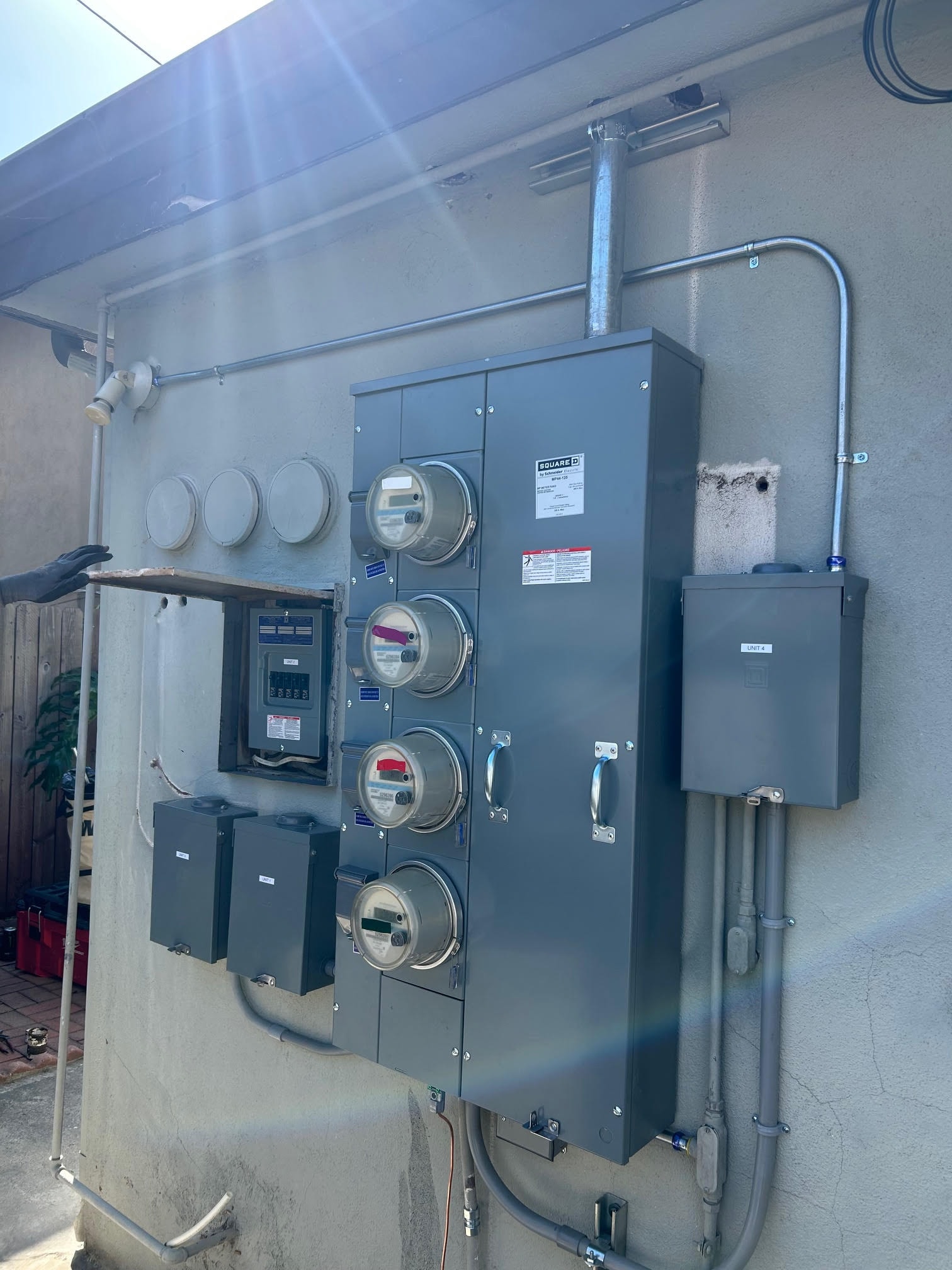
When we include a number of spaces of lighting, I prefer a dedicated lighting circuit per area. It simplifies fixing and prevents nuisance trips. If the electrical panel is cramped, an electrical panel upgrade in Orange County might be smarter than constantly jockeying spaces or setting up tandem breakers in a panel not listed for them. Panel replacement jobs can likewise be a great moment to include capacity for an EV battery charger installation, a future electrical variety, or a little backup generator setup. Planning ahead prevents doing the exact same drywall work twice.
Cost realism for Orange County projects
Costs vary by gain access to, ceiling type, control choices, and finish quality. For straightforward single story homes with attic gain access to, a normal variety I see is approximately 180 to 350 dollars per opening, including a quality ICAT LED module, circuitry, switching, labor, and allow coordination. Add 75 to 200 dollars for each quality dimmer or wise switch, depending upon the community. 2 story homes without overhead access can reach 300 to 600 dollars per opening once you factor drywall repair and paint. City permits and evaluations generally add 150 to 300 dollars to a small job, more when bundled with an electrical evaluation for a bigger remodel.
Be skeptical of quotes that seem too low. They often assume no patching, no permit, and deal fixtures with weak dimming or bad color making. Those jobs tend to call us back for electrical troubleshooting when lights flicker or controls buzz. A little more budget up front normally buys quieter chauffeurs, sealed real estates, and trims you won't dislike taking a look at for the next decade.
Common mistakes to avoid
- Aiming general downlights at walls, creating brilliant scallops and dark floors.
- Skipping ICAT components under insulation, causing energy loss and condensation risk.
- Mixing color temperatures room to room so areas feel disjointed.
- Installing modules that do not play well with picked dimmers, causing flicker or buzz.
- Over relying on recessed where pendants, sconces, or undercabinet lighting would do the job better.
Integrating recessed lighting with the rest of the home
Lighting interacts with surfaces. Matte paint tolerates tighter spacing and more powerful beams, while glossy paint highlights every hotspot. Light wood ceilings bounce warm amber tones and can alter the feel of a 3000K light towards warmer. Dark floorings drink light, so expect to include a few fixtures or raise output a little. In open strategies, repeat spacing modules to produce rhythm, however do not require balance where the furniture plan desires asymmetry. A reading chair should have a dedicated swimming pool of light, even if the grid is not completely even.
Smart home circuitry and low voltage electrical wiring can add versatility. Low voltage control lines for 0 to 10 V dimming provide smoother low end performance in media spaces and art spaces. Wireless controls reduce wall clutter in remodels where running new three wire tourists would imply tearing open ended up walls. If you do choose smart controls, prepare the network early. Some environments choose neutral wires in every switch box, others depend on small remotes you stay with the wall. Your regional electrical expert in Orange County will typically recommend a platform that stabilizes dependability with your budget plan and phone habits.
How we deal with older homes, plaster, and surprises
A remarkable task in a 1940s home in Orange caught us between beauty and function. The living-room had coved plaster and a single ceiling box with a dark, heavy fixture. The property owners wanted recessed lighting Orange County style - tidy, intense, and unnoticeable. We used 4 deep regress LED modules spaced to miss the cove edge and pressed two adjustable wall washers toward a built in bookcase. No attic gain access to meant cutting surgical holes and fishing cables along joists. The plaster secrets were delicate, so we scored every cut and vacuumed as we went to avoid dust avalanches. The distinction at sunset was striking: the ceiling appeared greater, the cove shone softly, and the bookcase popped like a gallery. It cost more than a fast fixture swap, but they got the room they imagined.
Another task in Objective Viejo had actually blown in insulation over whatever. Without proper ICAT components, those old cans had prepared little cleanings in the insulation, a sure indication of energy waste. We changed them with sealed, IC ranked retrofits, lathered the old penetrations, and the property owner noticed the rooms were warmer that winter. Little information like air sealing and appropriate rankings hardly ever make Instagram, yet they pay back each and every single day.
Safety and service considerations
For most recessed lighting tasks, you will not require a 24 hour electrician in Orange County. Still, there are times to call right away. If you see smoke or odor melted plastic near existing fixtures, turn off the circuit and reach an emergency electrician in Orange County. Old non IC cans buried in insulation can get too hot. So can fixtures with improper lights set up. Beyond emergency situations, dependable service matters. A leading ranked electrical expert Orange County homeowners suggest will show up with ground cloth, hole saws that do not rag the drywall, and motorists and trims checked against the dimmers on your plan.
If your job broadens, a versatile Orange County electrical contractor can deal with associated work - outlet setup, ceiling fan setup to move warm air down from high ceilings, or a panel upgrade if the existing service is extended thin. Grouping scopes reduces total interruption. If you are already making dust, use the window to deal with the punch list.
What to expect on install day
Good crews start by strolling the design with you, marking centers with painter's tape, and adjusting for furnishings and views. We validate joist instructions and probe for blockages with a little hole before dedicating to a big cut. As soon as the positions are locked, we cut, run cable, protected junction boxes above available locations, and set components. Controls enter next, then screening. If we find a surprise - a duct or a beam - we shift a little rather than force a bad area. With attic access, a space of 6 to eight fixtures with a dimmer typically finishes in a day. Multi space or multi story tasks extend based on gain access to and patching.
Expect a little dust, even with care. Ask your electrician how they protect floorings and furnishings. The very best crews bring vacs, ground cloth, and a plan for debris. If drywall repair work is different, clarify who patches, textures, and paints. Lots of property electricians in Orange County partner with finish trades so the house owner does not handle 3 schedules.
Matching the installer to the job
Searches for electrician near me Orange County return pages of outcomes, from one truck stores to bigger groups. For an easy retrofit of 8 to 10 recessed lights in a single story home, a regional electrical expert in Orange County can do solid work at a reasonable rate. If the job touches a number of rooms, requires panel work, or involves Title 24 documents for an authorization, a licensed electrician Orange County based with style experience is the safer bet. Check out reviews with a focus on tidiness, interaction, and how they manage modifications. Cheap is hardly ever best, but economical electrician Orange County does not need to imply cut corners. The very best electrical expert Orange County property owners pick earns the word "best" by resolving issues before they start, not by winning a race to the bottom.
Commercial areas have different requirements. Greater ceilings, emergency egress requirements, and control zones require another layer of planning. A commercial electrician Orange County group will deal with code subtleties like emergency situation battery backup, 0 to 10 V dimming throughout big areas, and lighting controls that tie into building automation. If you are fitting out a shop or coffee shop and desire tight beam accents mixed with soft basic light, a contractor with retail lighting experience can conserve you days of adjustments later.
When recessed lighting is not the answer
There are rooms where recessed is not the hero. Historic homes with decorative plaster, spaces where acoustical control takes priority, or rooms designed around a single statement fixture are examples. In those cases, consider linear cove lighting, low glare surface area installs, or sconce arrays. Recessed can still play a supporting role, however requiring it can harm the character or develop a swiss cheese ceiling. A designer and a skilled electrical expert will tell you when to hold back. That advice is worth more than a few additional components on the invoice.
Maintenance and long term performance
LED modules last a long period of time. Anticipate 25,000 to 50,000 hours from credible brands. In useful terms, that can suggest a years or more before noticeable dimming. Dust the trims throughout seasonal cleansings, check that restroom and outdoor gaskets remain flexible, and keep dimmers firmware upgraded if you are on a wise platform. If you see flicker develop after years of quiet service, it is frequently a failing motorist. The majority of brand names let you switch the module without tearing into the ceiling.
If you ever expand the system, keep color temperature and trim design constant. Absolutely nothing dates a space much faster than mismatched whites, some warm, some cool. When we carry out Orange County electrical repair calls for lighting, half the time the repair is restoring harmony, not changing everything.
Bringing it together
Recessed lighting is as much craft as it is computation. The mathematics gets you close; the field judgment makes it sing. Walk your spaces in the evening, envision how you utilize them, and sketch the light, not the fixtures. Choose JA8 listed, ICAT ranked modules with high CRI, match them to the right dimmers, and demand air sealing. Regard the architecture, let pendants and sconces carry the decorative load where they should, and lean on a professional who has worked the areas and building stock we have here.
If you are ready to plan, connect to a licensed electrician in Orange County who deals with lighting installation and understands Title 24. Whether you require 6 quiet lights for a bed room, a full kitchen revitalize with layered lighting, or a larger project paired with an electrical evaluation and a thoughtful panel strategy, a seasoned team will guide you without drama. That is the difference between intense and beautifully lit.
